
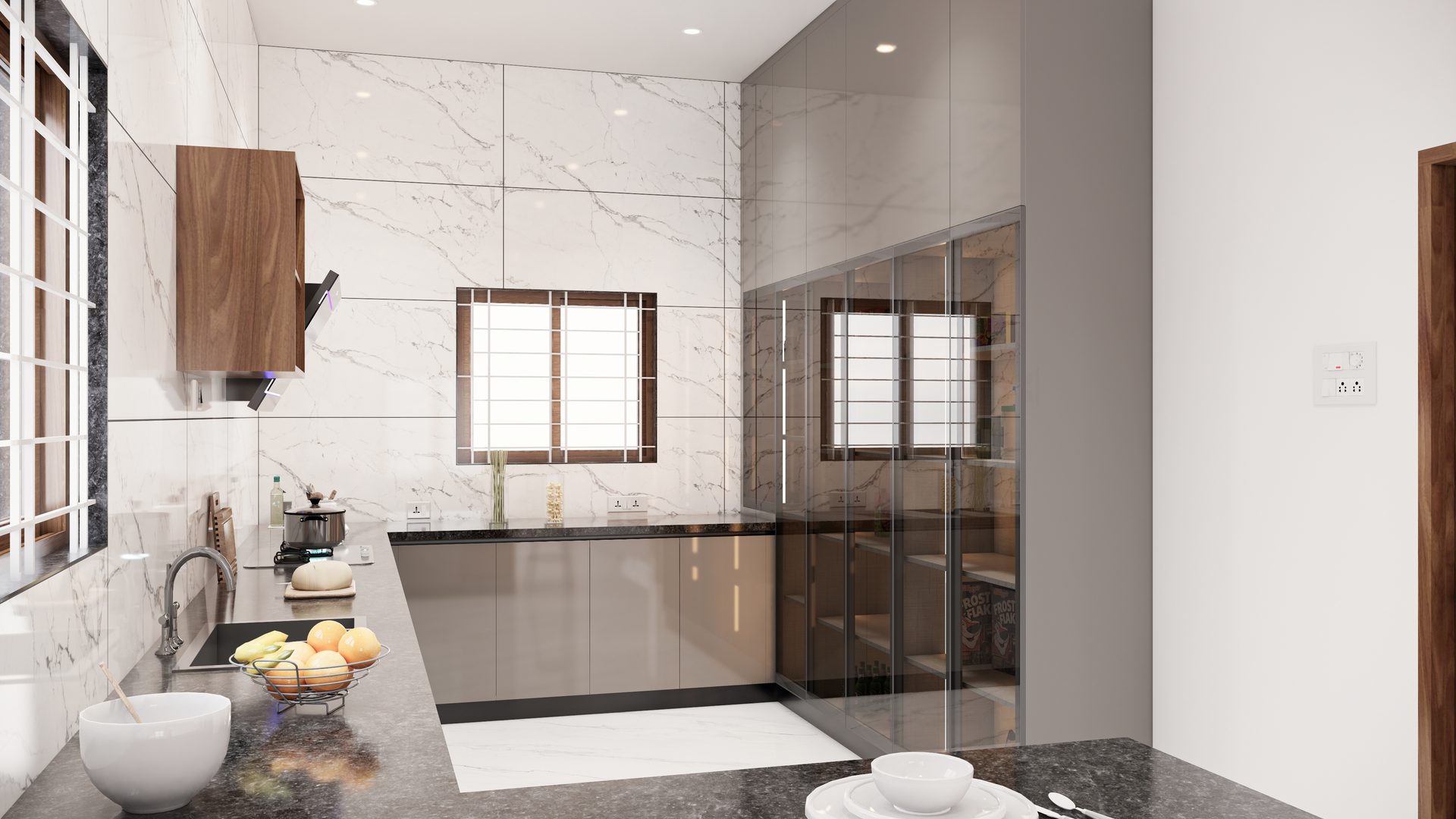
When planning home interiors, homeowners often consider how the work will be produced and installed. Factory-made interiors and traditional on-site carpentry use different workflows, and each project may have its own requirements. Understanding the differences can help you ask useful questions about planning, workmanship, coordination and the overall execution process.
How Production Planning Works
Factory-made components are prepared in a dedicated production environment based on approved designs and measurements. Traditional carpentry generally involves more cutting, fitting and assembly at the project site. Both approaches require accurate measurements and clear specifications, but the sequence and location of the work can differ.
Before work begins, ask how the design will be translated into production details and how any changes will be managed after approval.
Consistency in Finish
A dedicated production environment can support repeatable cutting and assembly processes. On-site results depend on the skills, tools and working conditions available at the home. In either approach, consistency relies on clear specifications, suitable materials, careful workmanship and appropriate checks.
Homeowners should review samples, drawings and agreed finishes so that expectations are clear before execution.
Installation and Site Coordination
Factory production requires coordination between design approval, preparation, delivery and installation. Traditional on-site carpentry may involve more work being completed inside the home itself. Both methods need scheduling and communication, especially when other work is happening at the site.
Ask how delivery and installation will be coordinated, what access or site preparation is required, and who will communicate any changes that may affect the plan.
Quality Checks Throughout the Process
With factory-made components, checks can take place at different stages before items are delivered to the site. With on-site carpentry, checks are commonly carried out as the work progresses. The quality of the final outcome depends on accurate measurements, workmanship, materials and effective supervision—not simply where the work takes place.
It is useful to understand what will be checked before installation and how any issues identified during fitting will be addressed.
Alamaari's In-House Manufacturing Facility
Alamaari has an in-house manufacturing facility in Udumalpet. This is part of the company's approach to connecting interior design with production and installation. For your specific project, discuss how the approved design, production requirements and site work will be coordinated, along with the expected sequence of activities.
What Should Homeowners Consider?
Look at the complexity of your design, the conditions at your home, your finish preferences and the way the project will be managed. Ask how measurements are verified, how specifications are documented, how changes are approved and what checks take place before installation.
Clear answers to these questions can help you compare approaches based on your project's needs rather than assumptions.
There is no single execution method that suits every project. Understanding the workflow, responsibilities and quality checks can help you make a more informed decision and know what to expect as your home interiors take shape.