
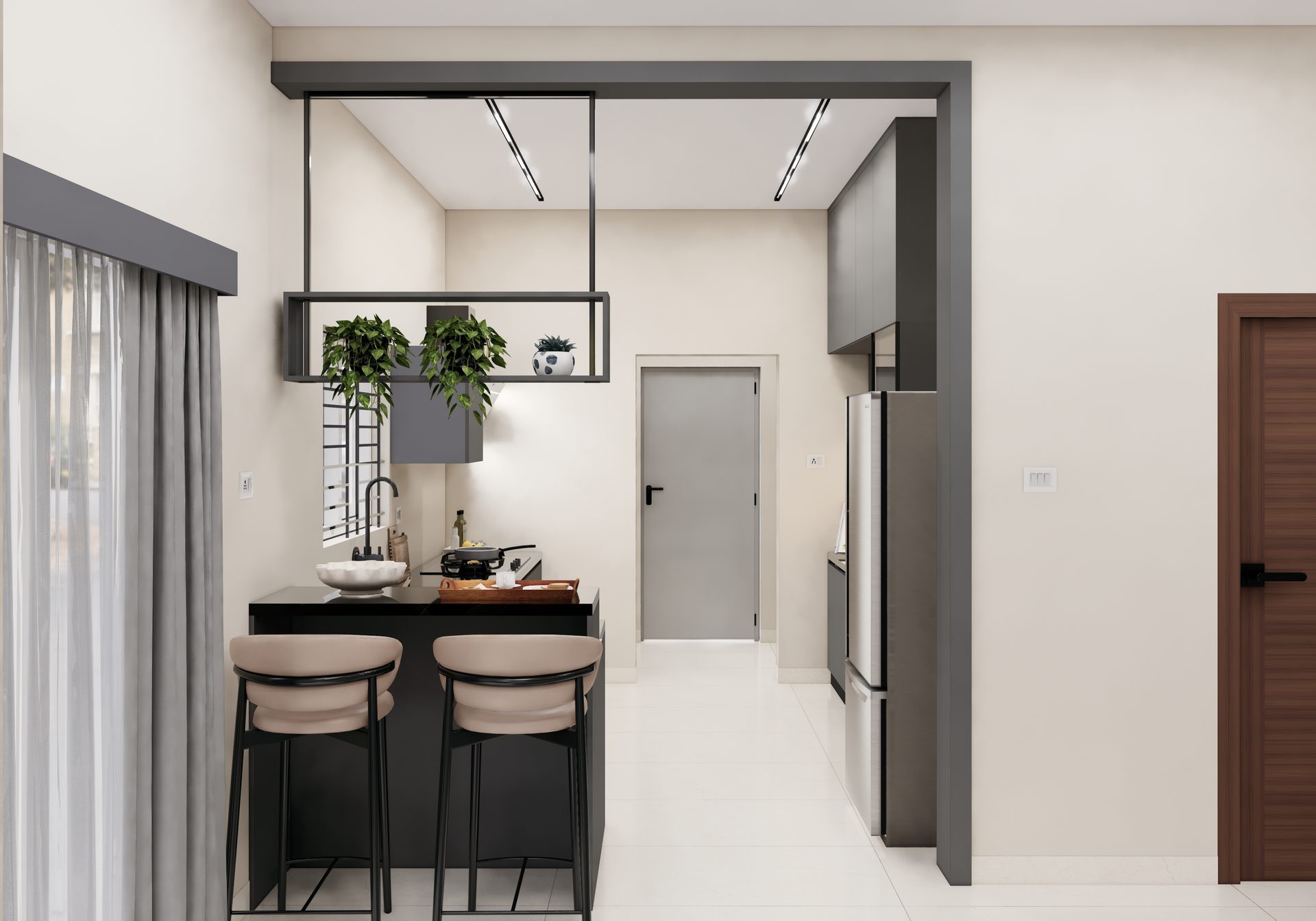
Materials and finishes influence the appearance, everyday use and maintenance of home interiors. The right choice depends on where a material will be used, how often the area is used, your design preferences and your budget. Taking time to compare options can help you make decisions that suit your household rather than choosing by appearance alone.
Begin with the Purpose of Each Space
Kitchens, wardrobes and living-room cabinets have different requirements. Consider how frequently each area is used and whether surfaces may be exposed to moisture, heat, stains or regular handling. A finish that works well in one part of the home may not be the most practical choice for another.
Understand the Material Specifications
Ask what material is proposed for each application and review its intended use, characteristics and care requirements. Compare the stated specifications rather than making a decision based only on appearance. If a quotation uses broad or unfamiliar terms, ask for clarification and request that the agreed details be documented.
Choose Finishes for Everyday Use
Matte, glossy, textured and wood-look finishes create different visual effects. Consider the room's lighting, the overall design and how easy the surface will be to clean and maintain. Samples can help you understand how a finish looks in different lighting conditions and alongside other materials.
Coordinate Colours Across Rooms
Choose colours that work with your flooring, wall finishes, lighting and furniture. A coordinated palette can help the home feel cohesive while allowing each room to have its own character. Consider the overall balance of light and dark surfaces rather than choosing every finish in isolation.
Review Hardware and Functional Details
Hinges, drawer runners, handles and other functional components influence how storage is used. Confirm the agreed specifications and make sure the selected components suit the design and intended use. These practical details should be considered alongside the visible finish of the cabinets.
Balance Preferences and Budget
Set priorities before finalising selections. Decide which features matter most for daily use and where a simpler option may meet your needs. Reviewing samples and written specifications can help you compare options and keep expectations aligned with the project budget.
Confirm Selections Before Final Approval
Keep a clear record of the materials and finishes agreed for each area. Check that the written specifications match the options you selected and ask questions about anything unclear before approving the final design.
The right materials and finishes depend on the space, how it will be used, your preferences and your budget. Careful comparisons and clear documentation can help you create interiors that look cohesive and work well for everyday life.