
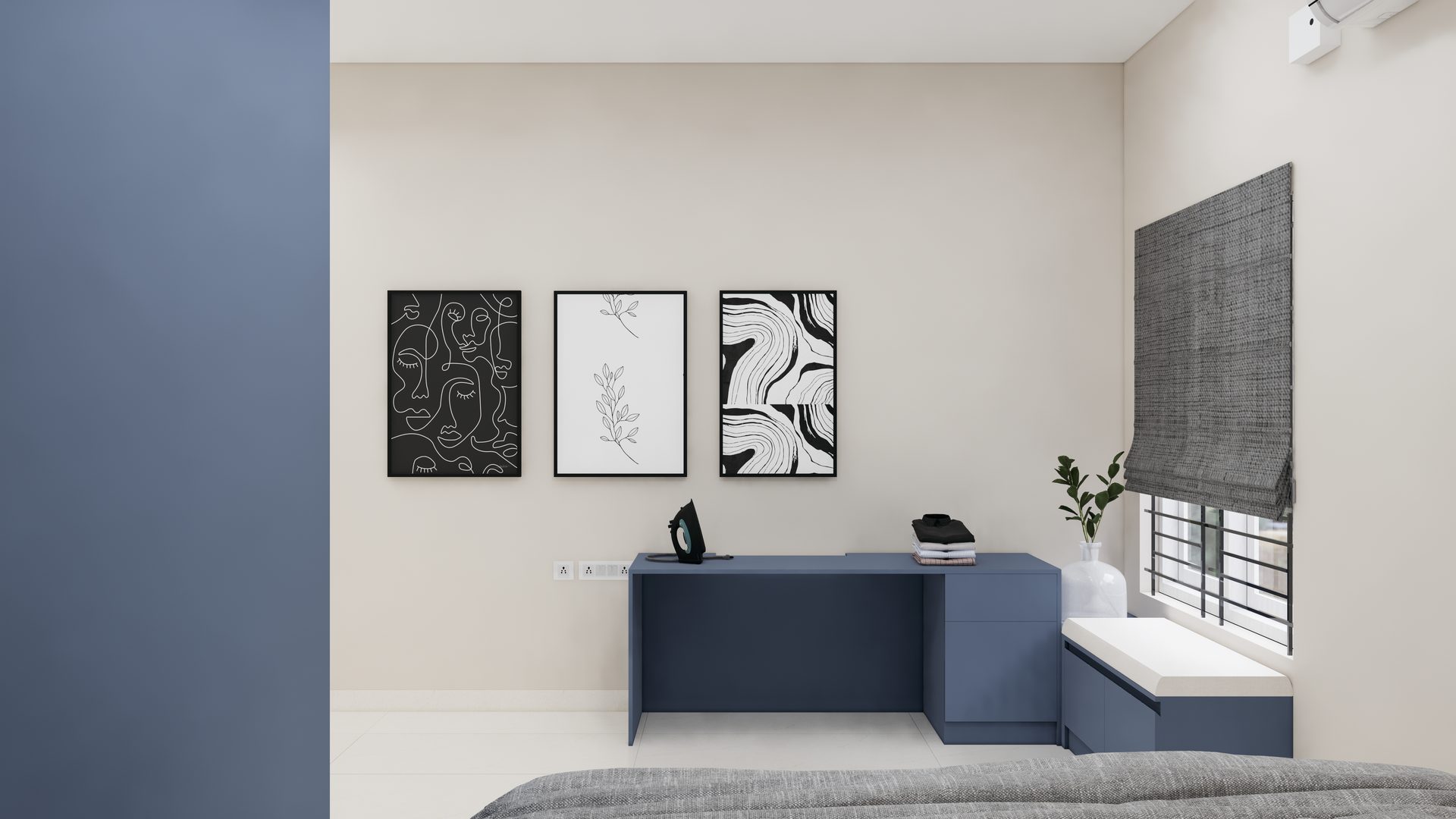
A compact home can still feel comfortable, organised and inviting. The key is to plan each area around how it will be used and make purposeful choices about furniture, storage, lighting and layout. Rather than filling every available corner, focus on solutions that support movement and make everyday routines easier.
Start with an Efficient Layout
Arrange furniture around daily activities and keep main walkways clear. Avoid adding furniture that blocks movement or makes frequently used areas difficult to access. In shared spaces, consider how people will move between the kitchen, dining and living areas.
A simple, well-planned layout can often make a room feel more comfortable than adding more furniture or decorative features.
Make Use of Vertical Space
Tall cabinets and carefully planned shelves can add storage without using too much floor area. Vertical storage can be useful in kitchens, bedrooms and utility areas, but it should remain practical to access. Keep frequently used items within easy reach and reserve higher shelves for items used less often.
Plan Built-In Storage Around Your Needs
Built-in wardrobes, kitchen cabinets and storage units can make effective use of wall space and corners. Before deciding on compartments, think about what you need to store and how often you use it. Adjustable shelves, drawers and dedicated sections may help keep belongings organised when they are planned for the right purpose.
Choose Multifunctional Furniture
Depending on your needs, consider furniture that serves more than one purpose, such as a bed with storage or a work surface that folds away. These options can be useful when a room needs to support several activities. Make sure the furniture remains comfortable, easy to use and suitable for everyday routines.
Use Lighting and Colours Thoughtfully
Natural light, well-positioned artificial lighting and a coordinated colour palette can help a room feel brighter. Avoid blocking windows with bulky furniture where possible, and plan task lighting for areas such as kitchen counters or workspaces. Mirrors may also reflect light when positioned appropriately.
Keep the Design Cohesive
Too many competing finishes, colours and decorative elements can make a compact space feel busy. A consistent palette and purposeful detailing can create a more connected look across rooms. This does not mean every room must look identical; small variations can add character while keeping the overall design balanced.
Design Around Your Routine
Think about how you cook, work, relax, entertain guests and store belongings. A layout that reflects your routine is more likely to remain useful than one based only on a trend. Prioritise the changes that solve real everyday challenges before adding optional features.
Making the most of a compact home starts with understanding your needs and using space intentionally. Prioritise movement, storage and comfort to create interiors that feel organised, welcoming and suited to everyday living.